
About Me + Basic Info
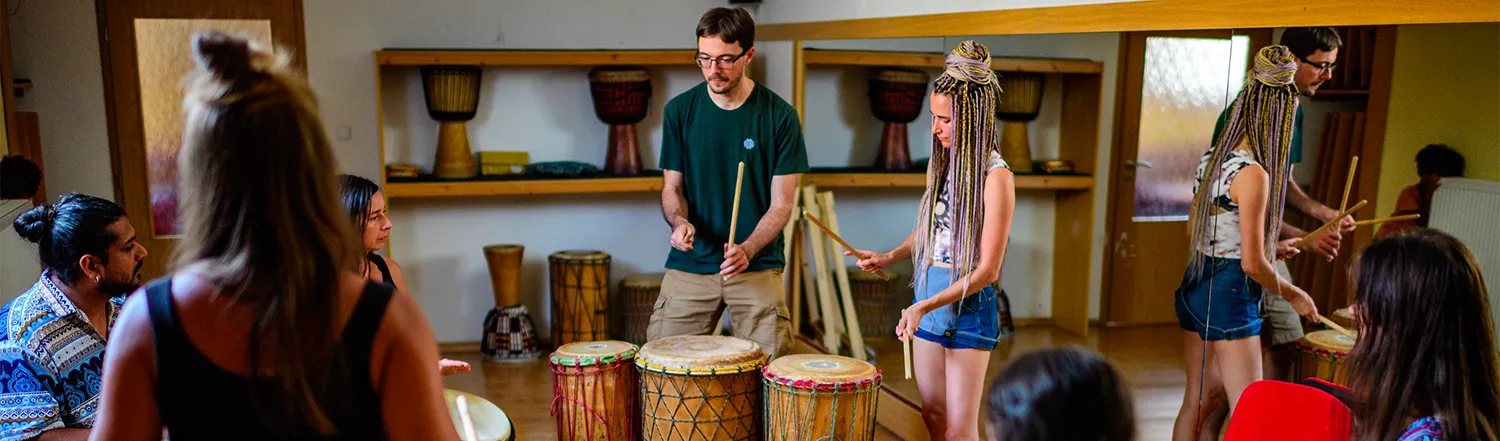
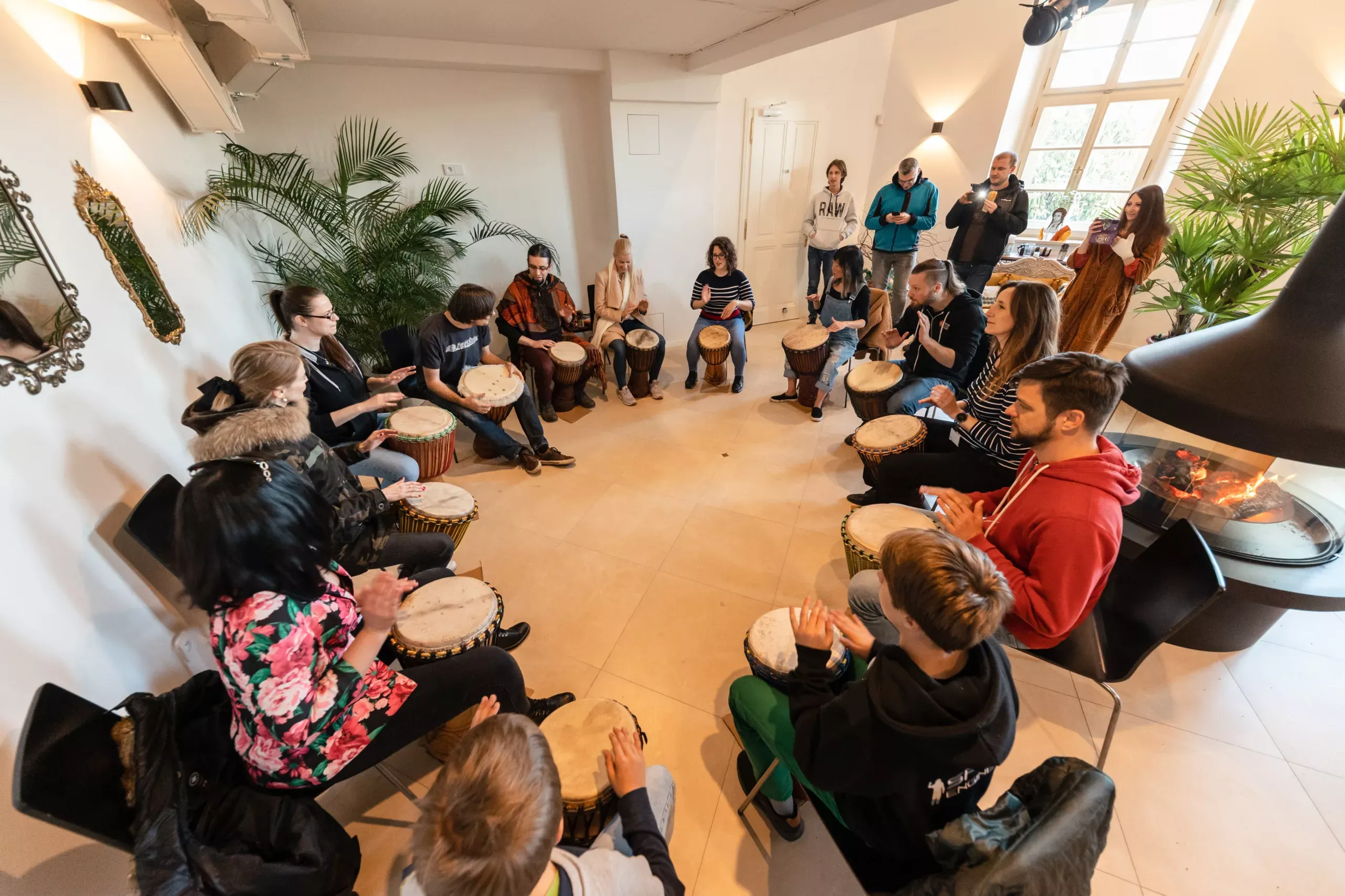
African drumming is more than just music – it is a form of communication, social connection, ritual, and entertainment. Its roots lie deep in the traditional cultures of West Africa, from where it has spread across the entire world.
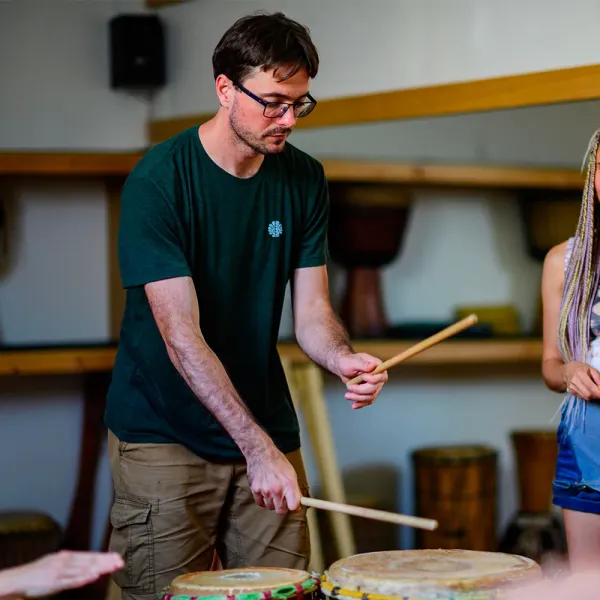
About Me
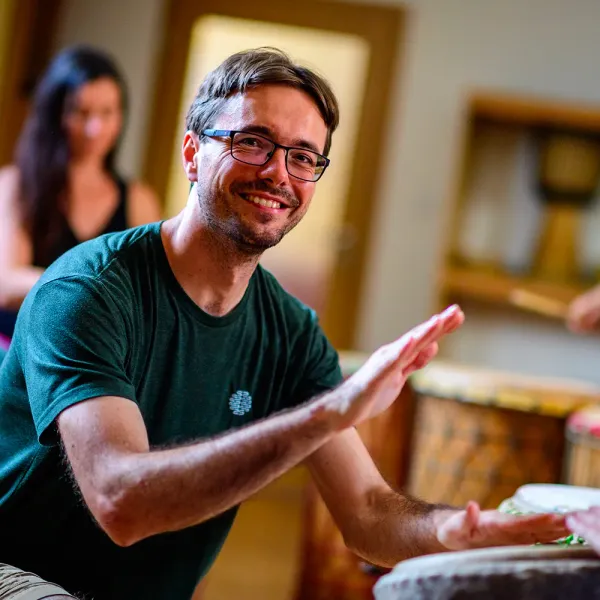
Tomáš Oplatek
Programmer with a passion for music
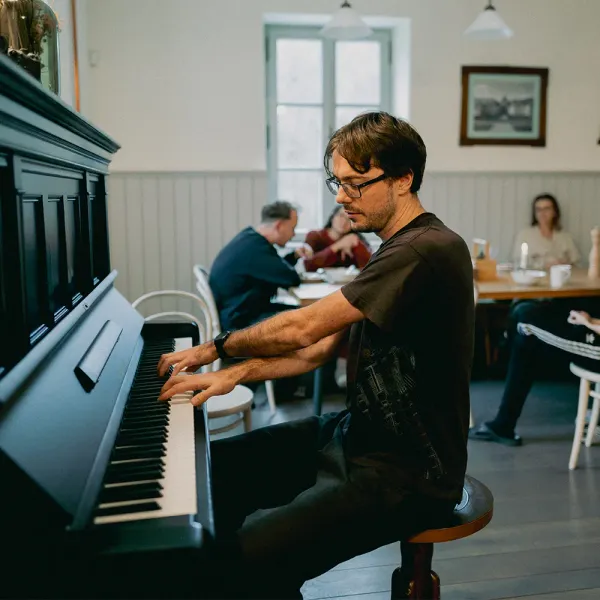
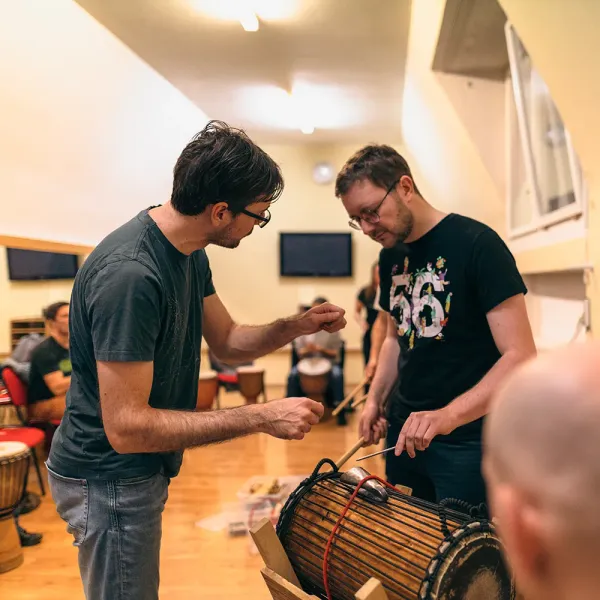
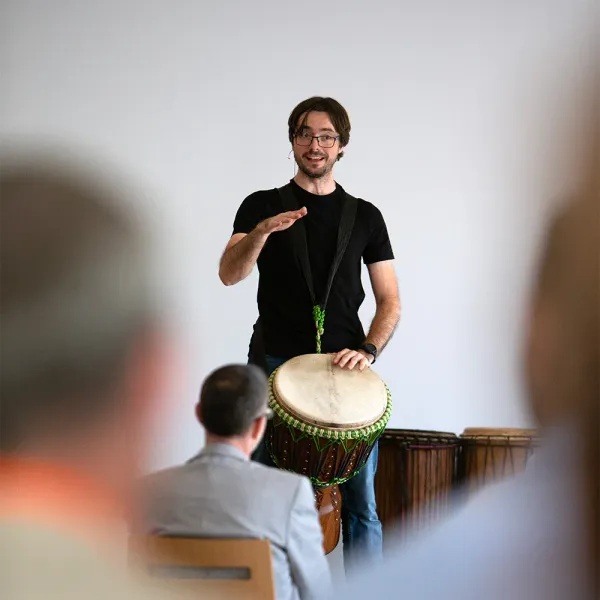
I am a musician and programmer with over 20 years of experience in African drumming. I lead courses, workshops, and teambuilding events that foster creativity, cooperation, and shared experiences through rhythm.
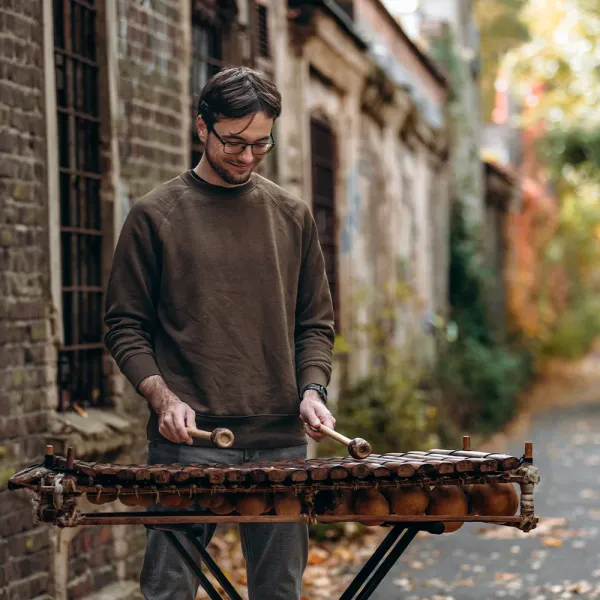
I started drumming in 2005 and have since studied under masters such as Thomas Guei from Ivory Coast and Bassidi Koné from Mali. I played in the band TiDiTaDe, performing at festivals such as Colors of Ostrava and Sázava Fest, as well as TEDx conferences, and currently perform with Barati Squad. In addition to djembe, I teach balafon and krin, and regularly accompany African dance classes by Simona Prokůpková and Tereza Pospěchová.
Music has been my lifelong language — from African rhythms to playing piano, which has accompanied me since childhood.
In IT, I work as a game and web programmer, combining technical precision with creativity and leading projects with broader impact.
Instruments and Technique
African drumming is built on the interplay of hand drums and bass drums, often complemented by additional instruments. The combination of these tones creates rhythms – often multi-layered, polyrhythmic, and playful.
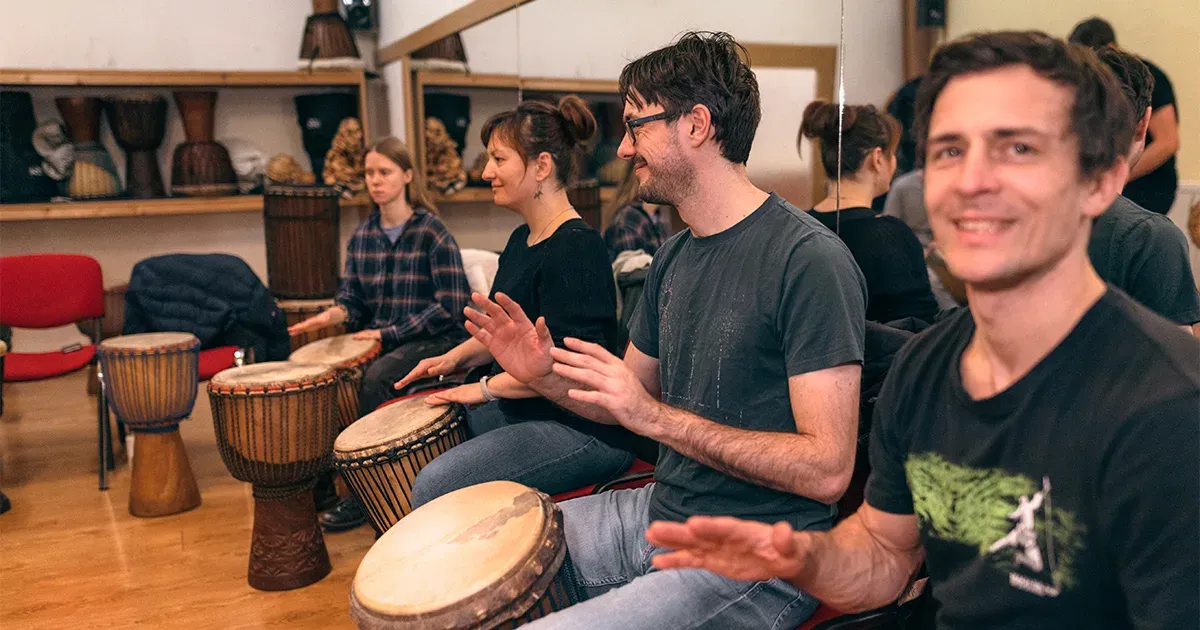
Djembe
- The most well-known and widespread African drum
- Hand-carved from a single piece of wood, covered with goat skin
- Played with bare hands
- Produces three basic tones: bass, tone, and slap
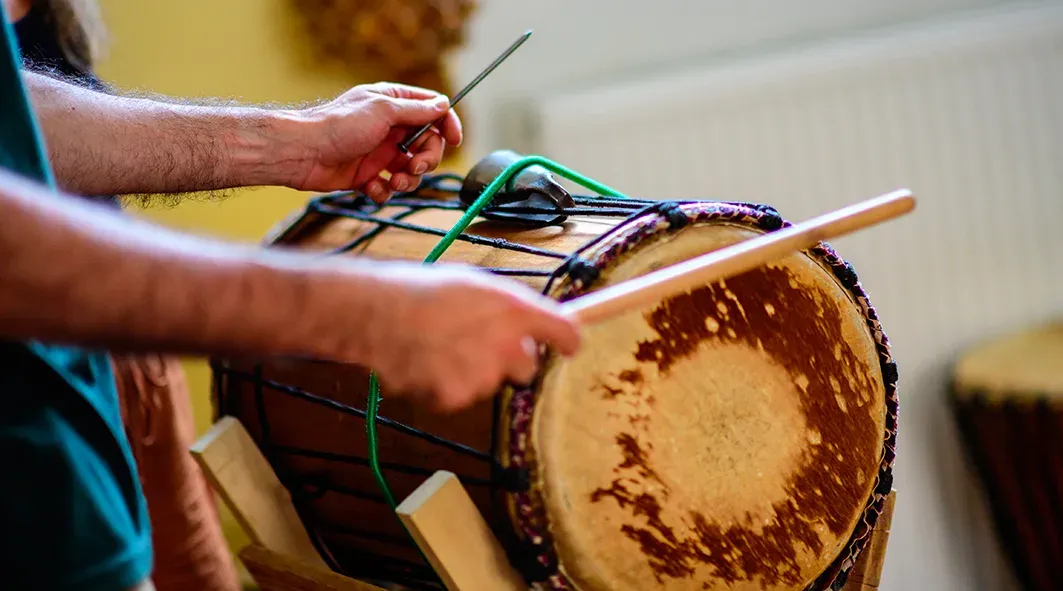
Bass Drums
Deeper drums played with sticks, usually in three sizes. Traditionally accompanied by a metal bell.
- Dundunba (dundun) – the largest and deepest
- Sangban – mid-tone and rhythmic core
- Kenkeni – the smallest, usually keeps the tempo
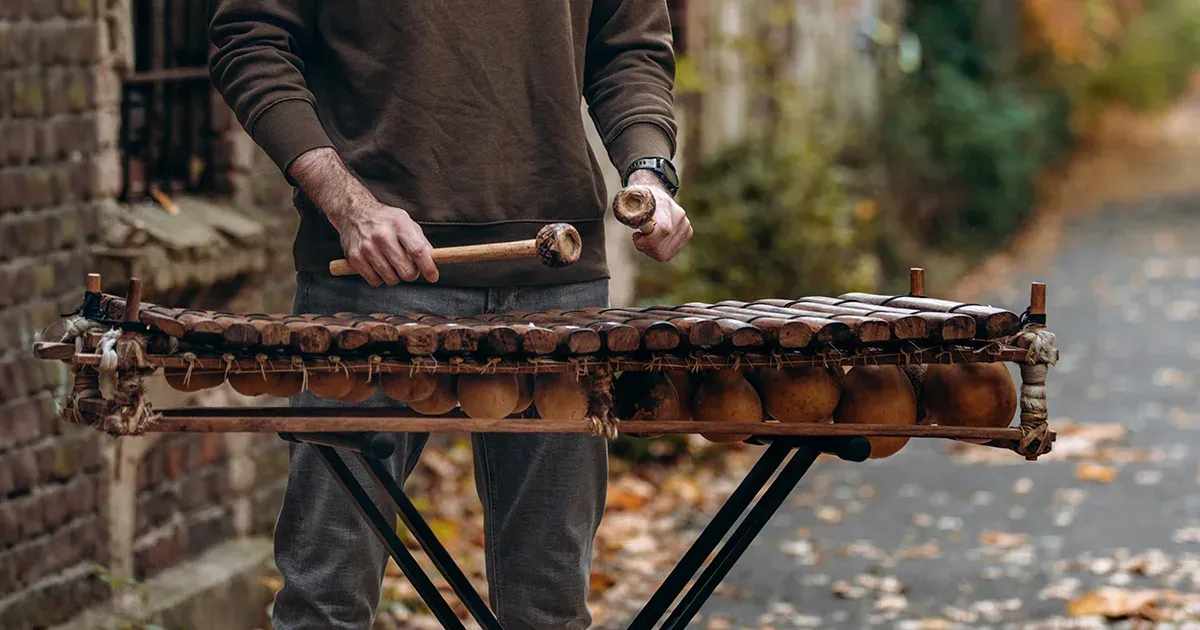
Other Instruments
- Balafon – an African xylophone with gourd resonators (calabashes)
- Krin – a hollow wooden block played with sticks
- Shekere / kashaka – shakers and percussion accessories
Basic Strokes and Tones
Bass
A deep tone in the center of the drum – palms and stretched fingers strike the middle.
Tone
A clean tone at the edge of the drum – fingers stretched and striking as a whole.
Slap
A sharp, cracking tone with emphasis – harder to play, but distinctive.
Where Does African Drumming Come From?
The most significant traditions of African drumming originate from West Africa – primarily from countries such as Guinea, Mali, Burkina Faso, Senegal, and Côte d'Ivoire. In these countries, rhythms and music are deeply rooted in everyday life – they are part of rituals, celebrations, agricultural cycles, rites of passage, and family events (weddings, births, deaths).
The tradition was preserved and passed down by griots – African storytellers, musicians, and historians.
- Traditional form of communication – in some regions, drums were used to "speak" (e.g. the "talking drum").
- Part of rituals and ceremonies – weddings, births, coming-of-age rites, spiritual events.
- Social activity – drumming is communal, focused on shared experience.
Some famous masters of African drumming: Mamady Keïta (Guinea), Famoudou Konaté (Guinea), Thomas Guei (Côte d'Ivoire), Bassidi Koné (Mali).